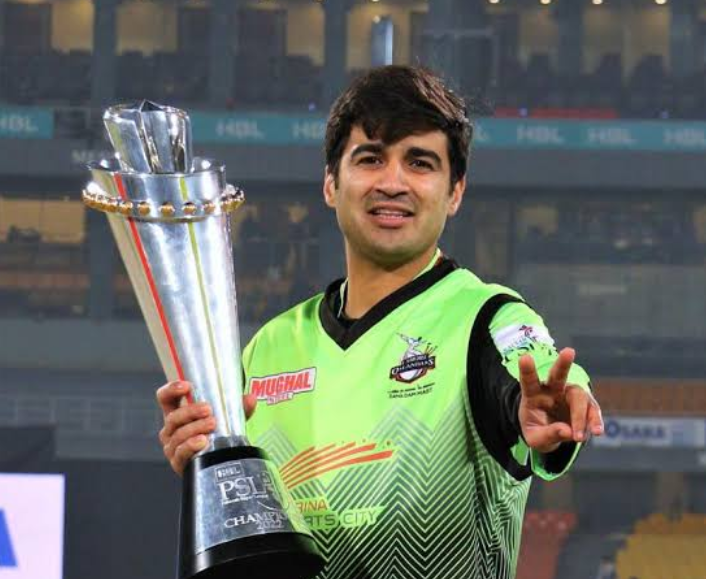
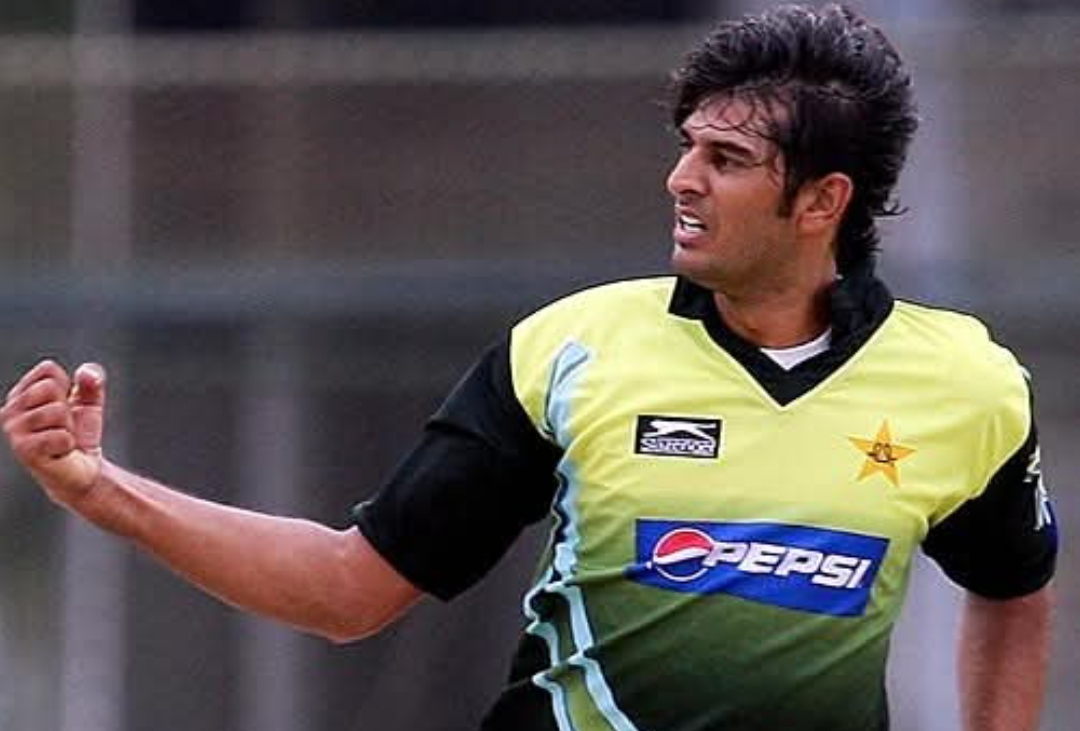
In this exclusive PakPassion interview, former Pakistan spinner Masood Anwar reflects on his memorable, lone Test appearance against the fearsome West Indies pace attack in 1990. He recounts batting as a nightwatchman in a heroic partnership with Imran Khan, the puzzling end to his international career, and his subsequent journey into coaching. Masood provides a frank assessment of Pakistan's spin development pipeline, the state of domestic cricket, and the challenges facing Test cricket today.

By Saj Sadiq (December 26, 2025)
Key revelations include:
• The nightwatchman's duty: "We decided that we would play raw... I batted with Imran Khan all day." - After Pakistan was dismissed for just 117 in the first innings and set a target of 284-285 to save or win, Anwar was sent in as a nightwatchman on the evening of the fourth day. He batted through most of the final day alongside captain Imran Khan. The duo decided to play strictly for a draw. Anwar mentions that they constantly encouraged each other not to play risky shots.
• Facing legends: "They were very hostile fast bowlers... I played with a lot of courage." - Anwar faced an iconic bowling attack featuring Ian Bishop, Malcolm Marshall, Curtly Ambrose, and Courtney Walsh. In a lighthearted moment, Anwar told Imran Khan that Malcolm Marshall felt like the "easiest" bowler to face. This made Imran laugh heartily, as Marshall had famously dismantled Pakistan's lineup in a previous match.
• A lasting legacy: "I played one match. They still remember that one match." - Despite taking 587 first-class wickets, Anwar only ever played one Test match for Pakistan.
• Spin bowling philosophy: "The art of spin bowling is to take the wicket. Saving the run is not their job." - A clear critique of modern T20 mentality. He expressed concern that T20 and ODI formats have shifted the focus of spinners toward saving runs rather than the "art" of taking wickets.
• On selection puzzles: "Why did I only play one Test? It was a disappointment." - Reflecting on his 587 first-class wickets and single cap. He explains that during his era, the team preferred right-arm leg spinners (like Abdul Qadir and Mushtaq Ahmed) over finger spinners, believing they were more effective against Western batsmen.
• Future forecast: "Our batsmen will start playing spinners very well in 2-3 years." - His prediction if turning wickets are prepared domestically. He noted that for the last decade, Pakistan focused on "seaming" domestic wickets, which hindered the development of both spinners and batsmen's ability to play spin. However, he is encouraged by the recent shift toward turning and batting-friendly tracks in the Quaid-e-Azam Trophy.
Watch full interview with Saj here: